Skip to content
Educational and informational content

Learn handwriting, calligraphy, and writing tools the studio way

This learning hub is dedicated to practical handwriting improvement, calligraphy techniques, and the everyday craft of writing. Explore how pens, pencils, ink, and paper behave in real use, then turn that understanding into smooth strokes, readable notes, and expressive lettering.

Focus
Handwriting, calligraphy, creative writing, and stationery basics
Approach
Technique first, then practice projects you can repeat
Audience
Beginners through enthusiasts who want cleaner, calmer writing
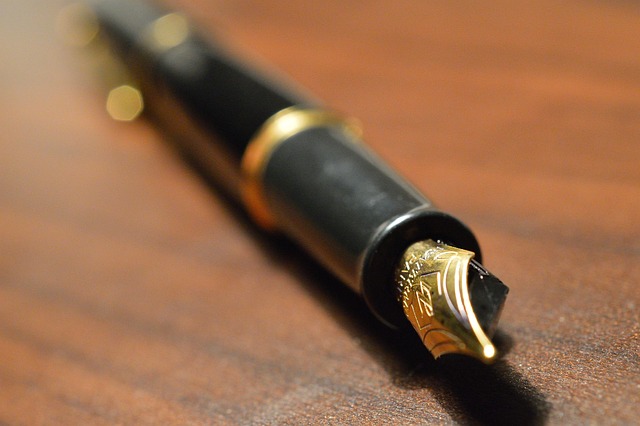
Fountain pen and notebook on a warm wooden desk
Fountain pen fundamentals
Graphite pencil, eraser, and practice sheet with letterforms
Pencil control and form
Calligraphy nib, ink bottle, and lettering practice on kraft paper
Lettering practice with ink and nibs

Why handwriting still matters

Handwriting is not only a way to record words; it is a physical skill that can support focus, memory, and personal expression. Small improvements in posture, rhythm, and tool choice can transform how your writing feels. A pen that glides predictably reduces tension. A pencil with a balanced point makes letter shapes easier to repeat. A paper surface that matches your ink prevents skipping and feathering.

Creativity

Letterforms and line variation give you another creative language. Calligraphy drills build confidence with pressure, angles, and spacing, and those skills carry into journaling, cards, labels, and sketch notes.

Focus

Writing by hand slows you down in a helpful way. A simple routine of warm-up strokes and short passages can reduce hurried writing, improve consistency, and make note-taking clearer.

Fine motor skills

Gentle, repeatable practice supports control: grip pressure, wrist mobility, and finger coordination. Better control often leads to less fatigue, especially during longer writing sessions.

Expression

Your writing style can be practical, decorative, or both. Learning spacing, slant, and stroke contrast helps you create a signature look without sacrificing readability.

Two-step method: learn basics, then practice projects

Learn the building blocks

Start with posture, grip, and warm-up lines. Then focus on letter families: ovals, stems, arches, and connectors. Tool notes explain what to adjust when a pen feels scratchy or a pencil feels too soft.

Practice with small projects

Use short tasks you can repeat: a daily headline, a postcard, a recipe card, a study summary page, or a single-word lettering piece. Projects make improvement measurable without turning practice into a chore.

Learning areas

Choose a direction based on your goal: smoother everyday writing, decorative lettering, better note-taking, or a deeper understanding of tools.

View the guide index

Pens

Learn nib behavior, ink flow, and how writing angle changes line quality. Includes quick troubleshooting for skipping, scratch, and hard starts.

Pencils

Understand graphite grades, point geometry, and erasing. Build steadier strokes with warm-ups that train pressure control and spacing.

Lettering

Practice consistent shapes: ovals, stems, and connectors. Move from basic strokes to word rhythm, spacing, and simple flourishes.

Cursive and note-taking

Improve legibility and speed with clean joins, consistent slant, and practical page layouts for study notes and meeting summaries.

Featured tools and materials

Tools do not replace practice, but the right match can remove friction. These categories are explained in neutral, educational terms: what they do, what to look for, and how to avoid common beginner mistakes.

  • Fountain pens

    Nib sizes, smoothness, ink flow, and paper pairing for clean lines.

  • Wooden and mechanical pencils

    Grip, balance, lead size, and sharpening strategies for consistent strokes.

  • Ink and refills

    Dry time, saturation, water resistance, and how ink behaves on different papers.

  • Paper and journals

    Texture, coating, gsm, and how to reduce bleed-through and feathering.

Mechanical pencil and lead on a clean notebook page
Mechanical pencil technique
Ink bottle and pen resting beside a lined journal
Ink and paper pairing
Stationery set with pencils, notebook, and kraft paper textures
Stationery setup for practice

Gallery: writing textures and desk setups

A visual library of tools, materials, and practice scenes. Every image is unique to help you compare shapes, surfaces, and writing moods.

Open full gallery
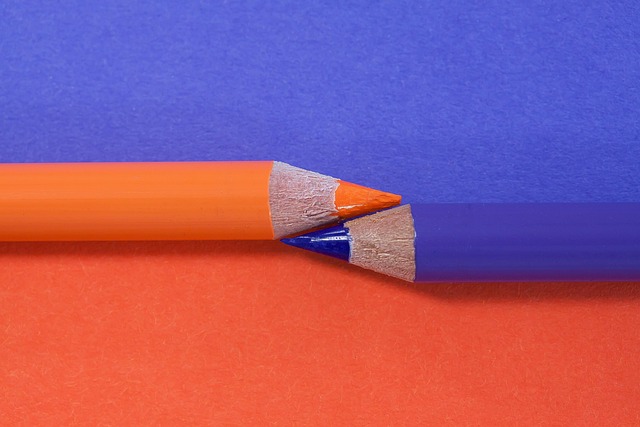
Wooden pencils beside a ruler and paper sheet Colored pencils arranged on kraft paper Calligraphy nibs and a brass-toned holder on paper Handwriting close-up on lined paper with smooth strokes Sketchbook with graphite shading and pencil marks Journal, fountain pen, and paper clips arranged neatly

For more visuals including ink bottles, practice sheets, and creative desks, visit the Gallery.

Resource library

Our articles are designed to be practical and neutral: definitions, technique notes, and small practice plans. We avoid exaggerated claims and focus on skills you can observe on the page.

Handwriting warm-ups you can repeat in 5 minutes

A quick sequence of lines, ovals, and spacing drills to reduce shakiness and improve rhythm before you write a paragraph.

Short routine Pencil or pen

Beginner calligraphy: pressure and angle basics

Understand thick and thin strokes, learn how to hold your tool, and practice a consistent slant without rushing.

Stroke control Angle practice

Paper and ink: how to reduce feathering and bleed-through

Learn what paper texture and weight do, how ink behaves, and how to pick combinations that stay crisp.

Ink behavior Paper basics

About this educational platform

Writing is a quiet craft: part technique, part tool knowledge, and part personal rhythm. Many people learn handwriting informally and later discover that their grip feels tense, their letters drift in size, or their notes become hard to read when they write quickly. The purpose of this platform is to make improvement feel approachable. Instead of relying on vague advice, we break the process into visible pieces: how you sit, where the movement comes from, and which stroke families build the alphabet you actually use.

Calligraphy adds another layer: it teaches you to control contrast and spacing while staying gentle with the page. You do not need elaborate materials to start. A pencil and a sheet of paper can train the same fundamentals that later translate to a fountain pen, a brush pen, or a dip nib. We also cover the everyday tools that people use most: mechanical pencils for consistent lines, wooden pencils for tactile feedback, and journals that encourage regular practice. Each guide aims to be neutral and educational, helping you understand trade-offs such as smoothness versus feedback, ink saturation versus dry time, and fine points versus durable tips.

Over time, small routines add up. A five-minute warm-up before journaling, a weekly lettering project, or a consistent note-taking layout can improve legibility and comfort. Our content is designed to support learning without pressure: pick one skill, practice it briefly, then return to real writing. The result is writing that feels calmer, reads more clearly, and better reflects your intent.

Lettering practice sheet with repeating strokes
Practice sheets
Creative desk with notebook, pen, and paper textures
Desk routines

Frequently asked questions

Clear answers for common handwriting and calligraphy questions, focused on techniques you can test on paper.

What is the fastest way to make handwriting more legible?

Start with spacing and size consistency. Use a lined or dotted guide, slow down for one paragraph, and focus on keeping x-height steady. Next, simplify letterforms that look similar (such as a, o, and e) so they stay distinct at speed.

How much pressure should I use with a pen?

Use the least pressure that keeps the line continuous. Excess pressure reduces control and increases fatigue. If your pen skips, first check paper texture and writing angle before pressing harder.

What is a good daily handwriting routine?

Try: 1 minute of straight lines, 1 minute of ovals, 1 minute of arches, then copy a short paragraph slowly. End by writing one page of real notes or a journal entry to apply the skill.

Should I practice cursive or print?

Practice the style you use most. If you write quickly, cursive can reduce pen lifts and feel smoother. If legibility is your main goal, a clean print style with consistent spacing may be easier to stabilize first.

Why does my fountain pen feel scratchy?

Scratchiness can come from angle, rotation, paper texture, or a dry ink. Start by adjusting your angle and reducing pressure. If it only scratches in one direction, the tines may be misaligned and the pen may need inspection by a professional.

Contact

Send a question about handwriting practice, tools, or learning paths. We reply in English.

Company

GHF Beheer B.V.

Wilhelminastraat 62, 8561 AD Balk, Netherlands

Phone

+31 85 130 6482

Available on business days (Central European Time)

By submitting, you agree to our Privacy Policy.

Educational note: We provide general learning information. Messages are not medical, legal, or professional advice requests.